
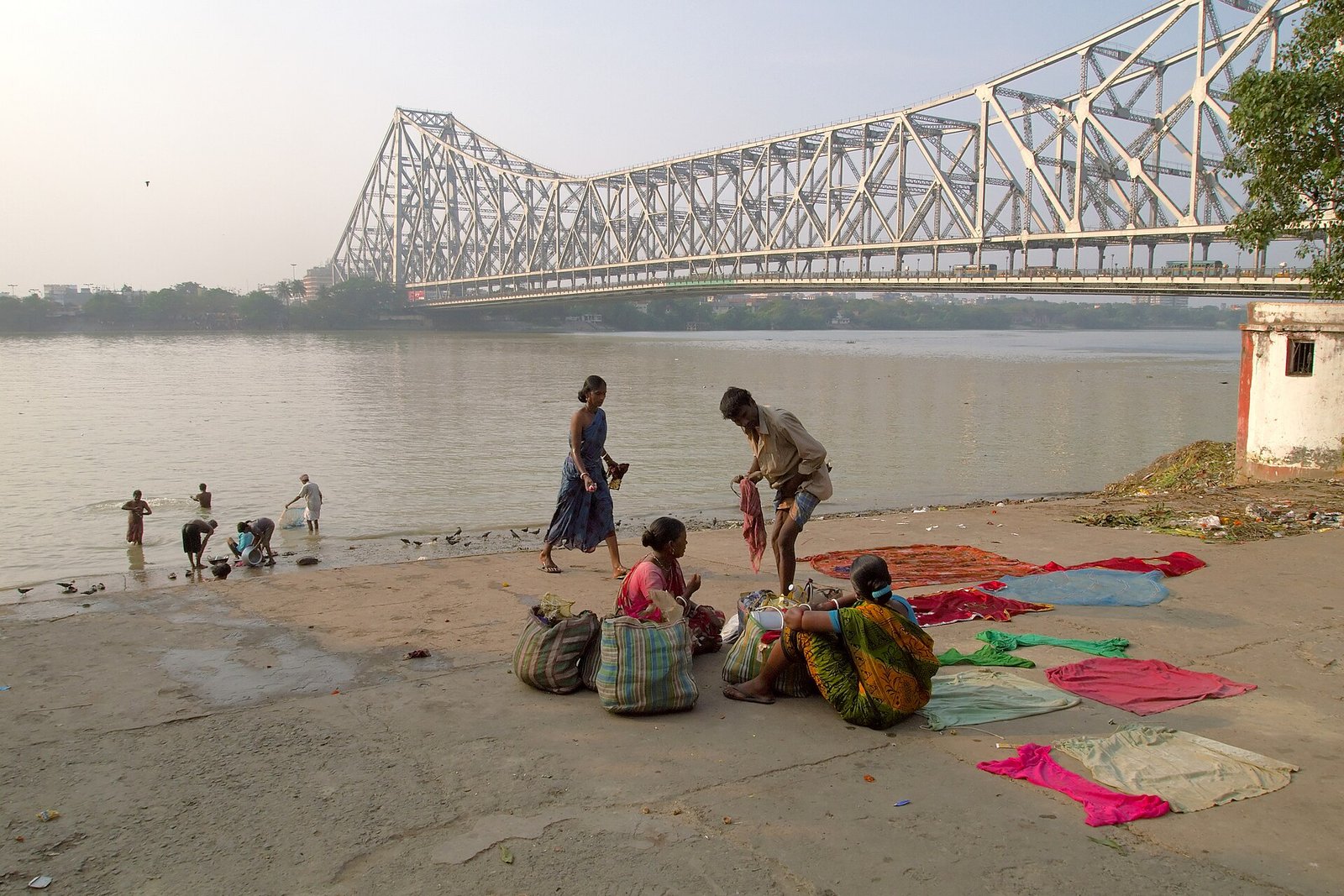
Howrah Bridge
A 705-metre cantilever built without a single nut or bolt, carrying a hundred thousand vehicles and far more foot each day.
India · West Bengal · Heritage
Six days through terracotta Bishnupur, the nawabi court of Murshidabad and the field of Plassey — Bengal told through its brick, its looms and its long memory.
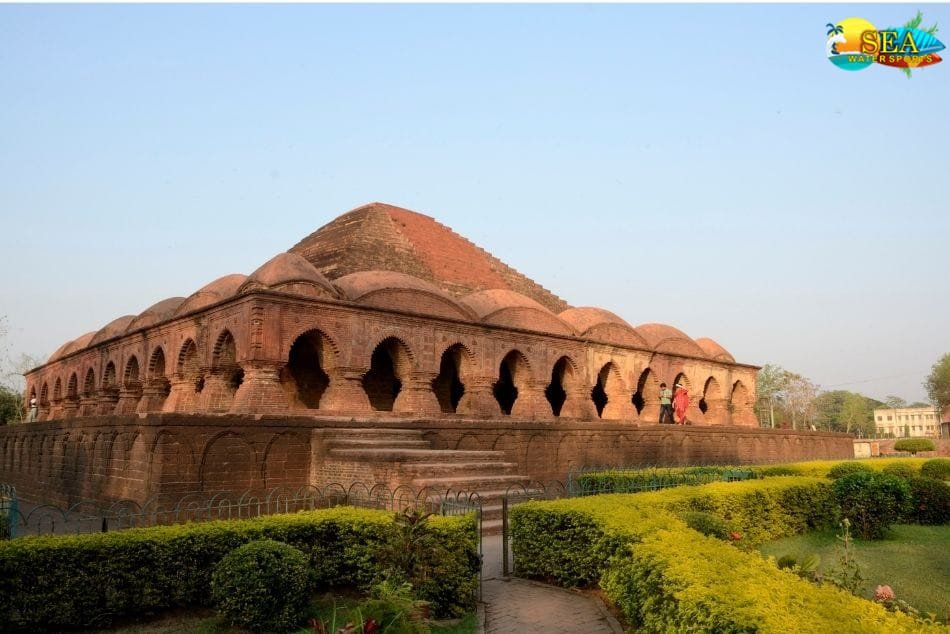
Terracotta Temple, Bishnupur
“Every arch in Bengal is a doorway to a story someone was paid in rice to remember.”
Chapter One · Kolkata
Job Charnock's trading post became the second city of the Empire, and it still wears that history: the marble dome of the Victoria Memorial, the cantilever span of Howrah Bridge, Dalhousie's colonnades, and the last surviving tram network in India rattling past College Street's book stalls. Mornings at the flower market under the bridge, afternoons in a Bengali kitchen, evenings with a shingara.
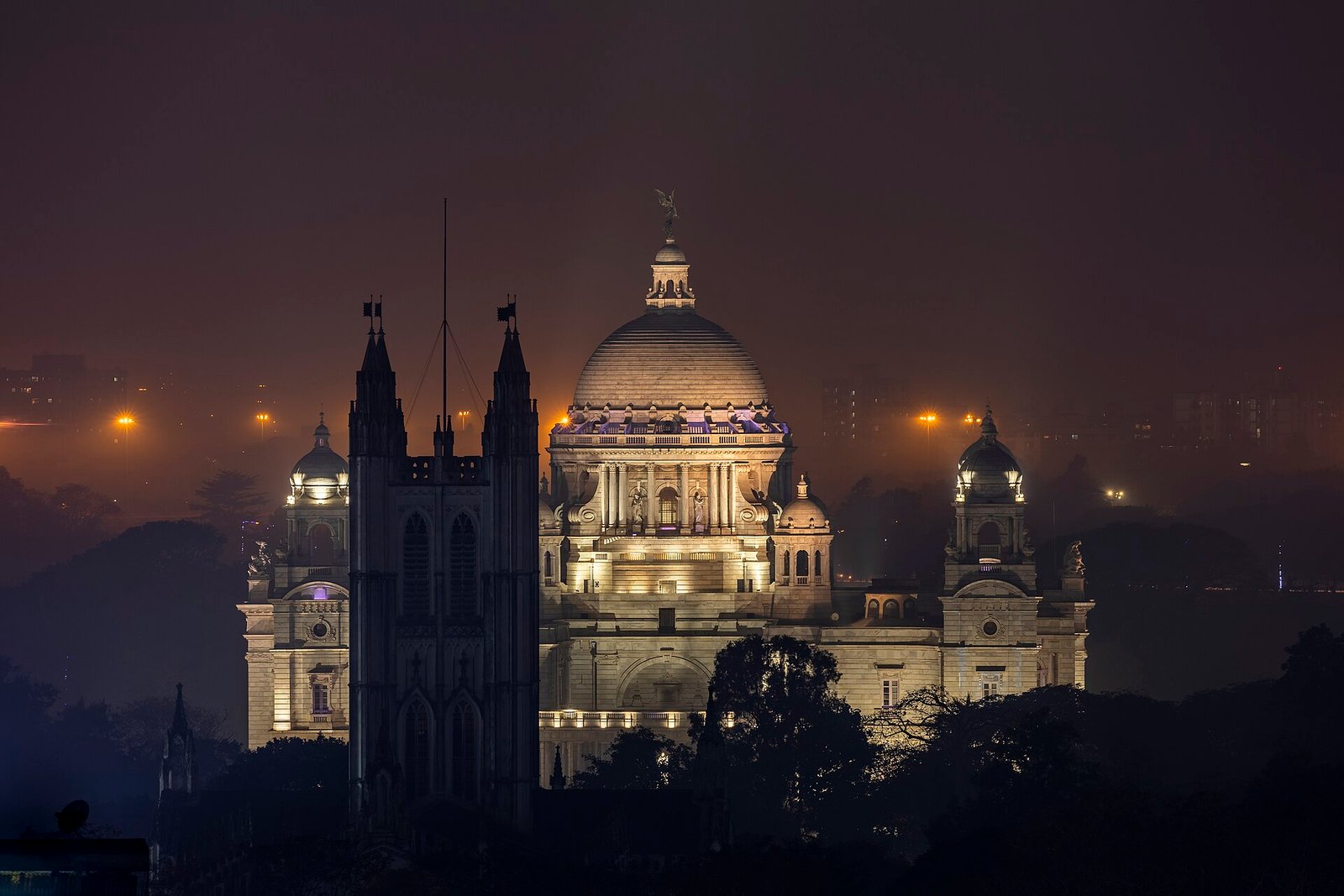
Victoria Memorial After Dark, Kolkata
Chapter Two · Bishnupur
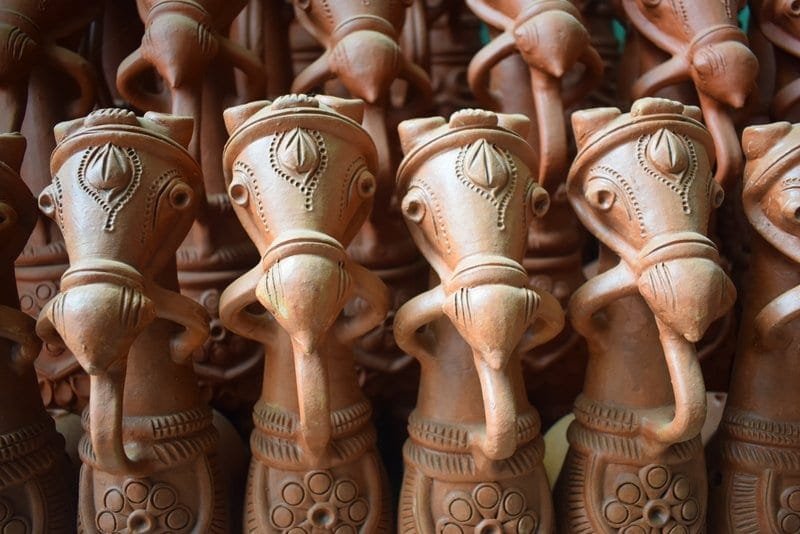
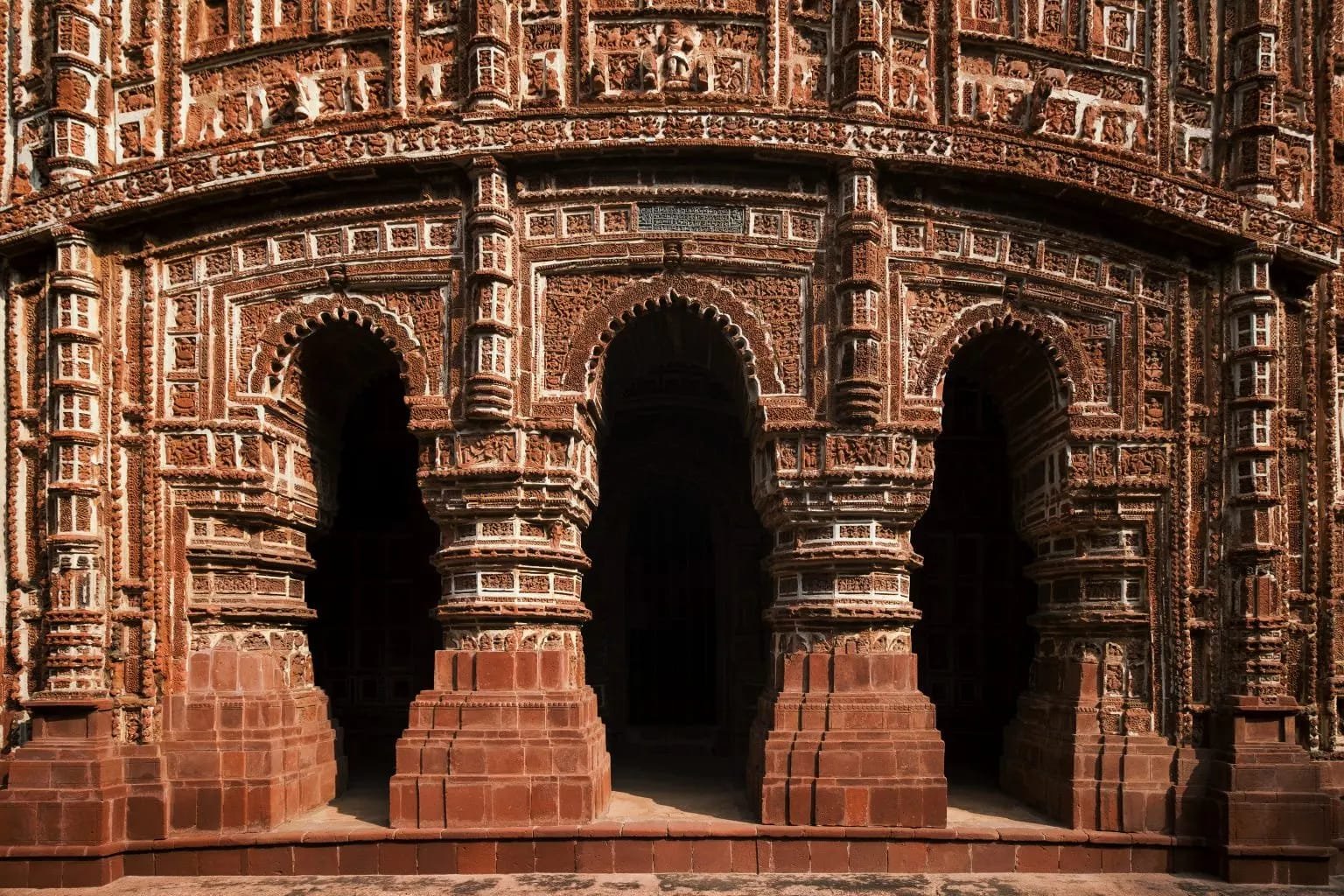
The Malla kings had no stone. So they fired the alluvial clay of the Damodar into brick and told the whole Mahabharata on the walls in terracotta panels no larger than a palm. Ras Mancha, Jor Bangla, Shyam Rai — we walk them in the low light of morning, when the relief is deepest.
Terracotta Panelwork, Bishnupur
Chapter Three · Murshidabad
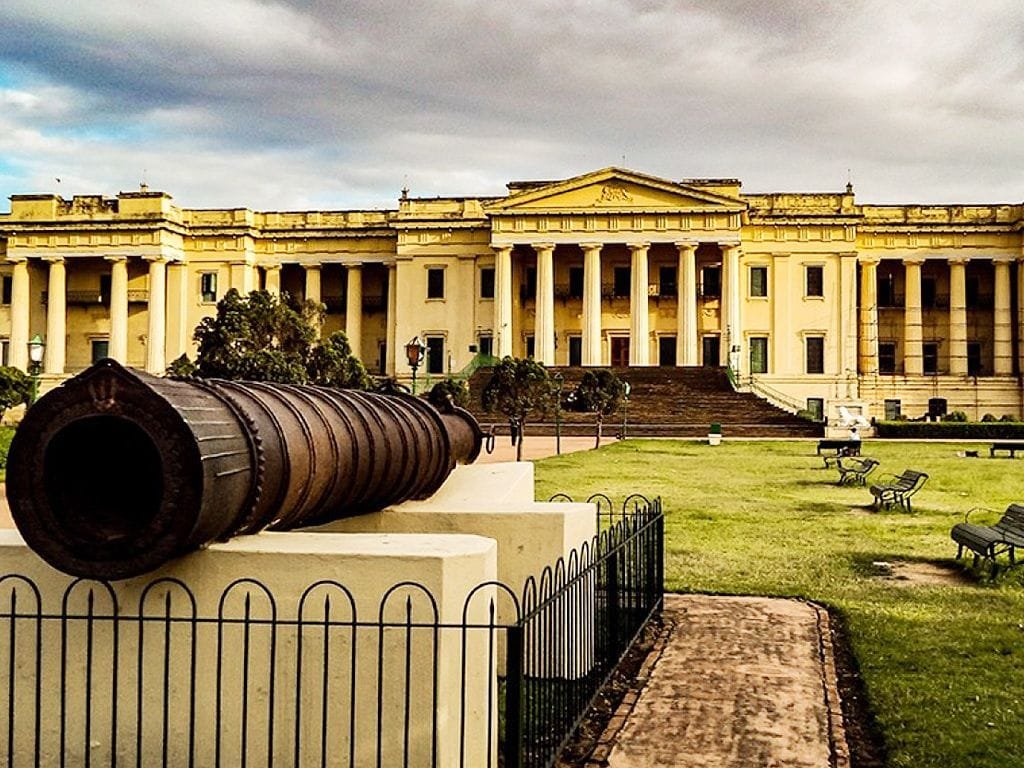
Before Calcutta, there was Murshidabad — the richest city of eighteenth-century India, seat of the Nawabs, and the place where the subcontinent's fate was quietly auctioned. Hazarduari's thousand doors, the Katra Mosque, the Jain temples of Jiaganj, and the slow Bhagirathi at dusk.
Hazarduari Palace Grounds, Murshidabad
Chapter Four · Baluchar
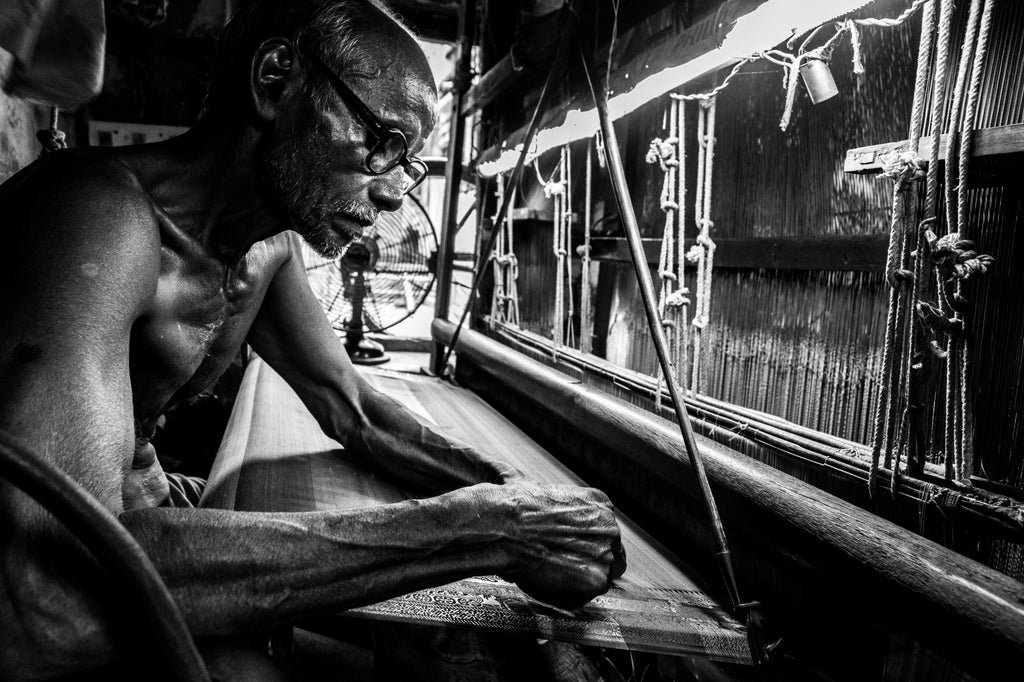
In the weaving houses along the river, the Baluchari loom still carries whole courtly scenes in its pallu — figures, howdahs, hunts. You sit with a master weaver, hear the jacquard count, and understand why the cloth is measured in months rather than metres.
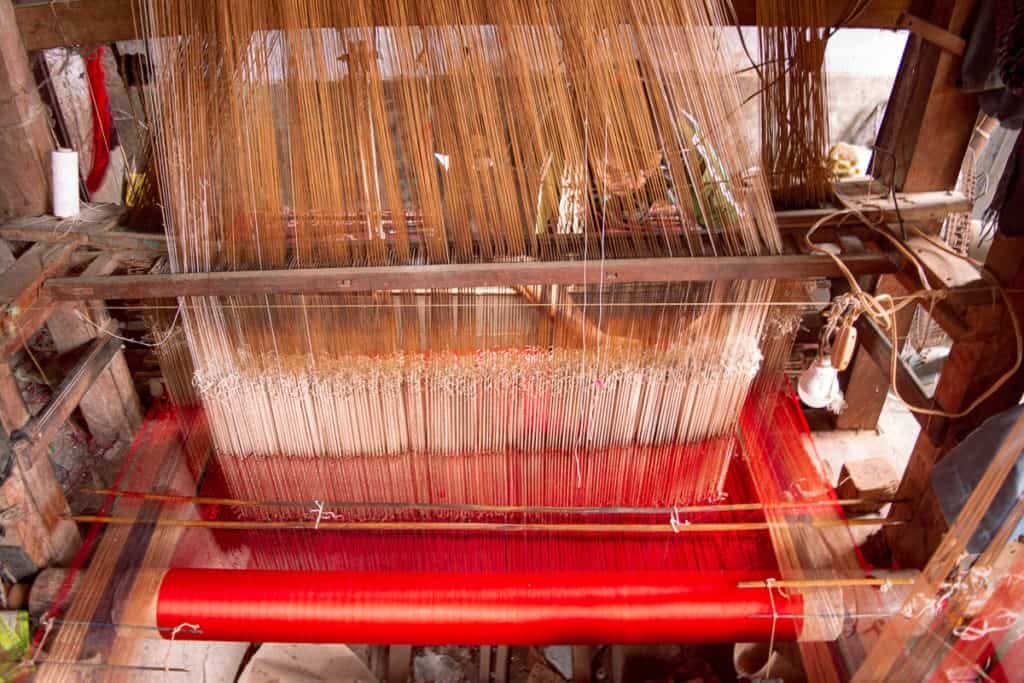
Baluchari Loom in Progress
Kolkata · Four Frames
A 705-metre cantilever built without a single nut or bolt, carrying a hundred thousand vehicles and far more foot each day.
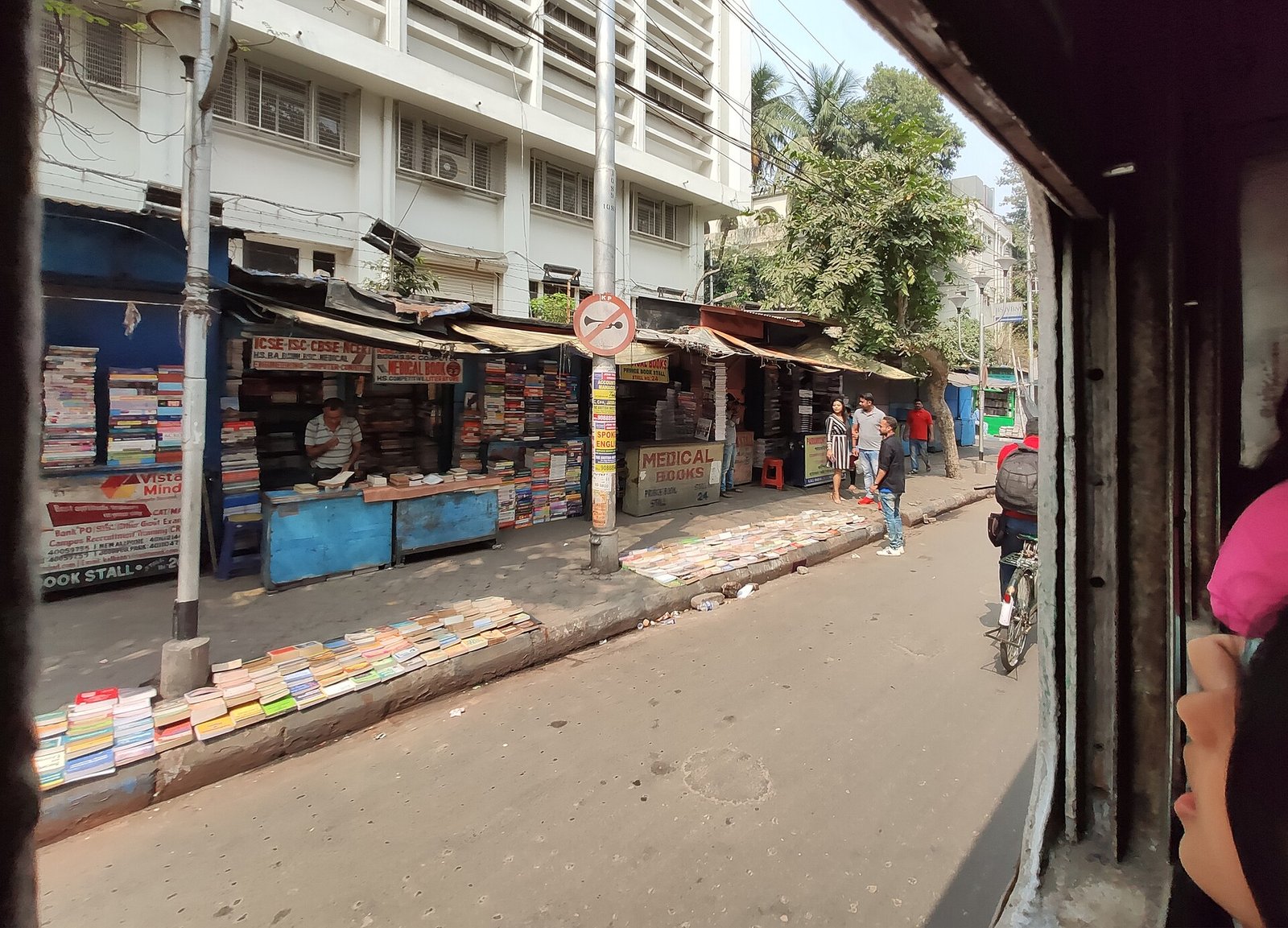
Asia's largest second-hand book market, seen from the window of a tram that still runs the same route since 1902.
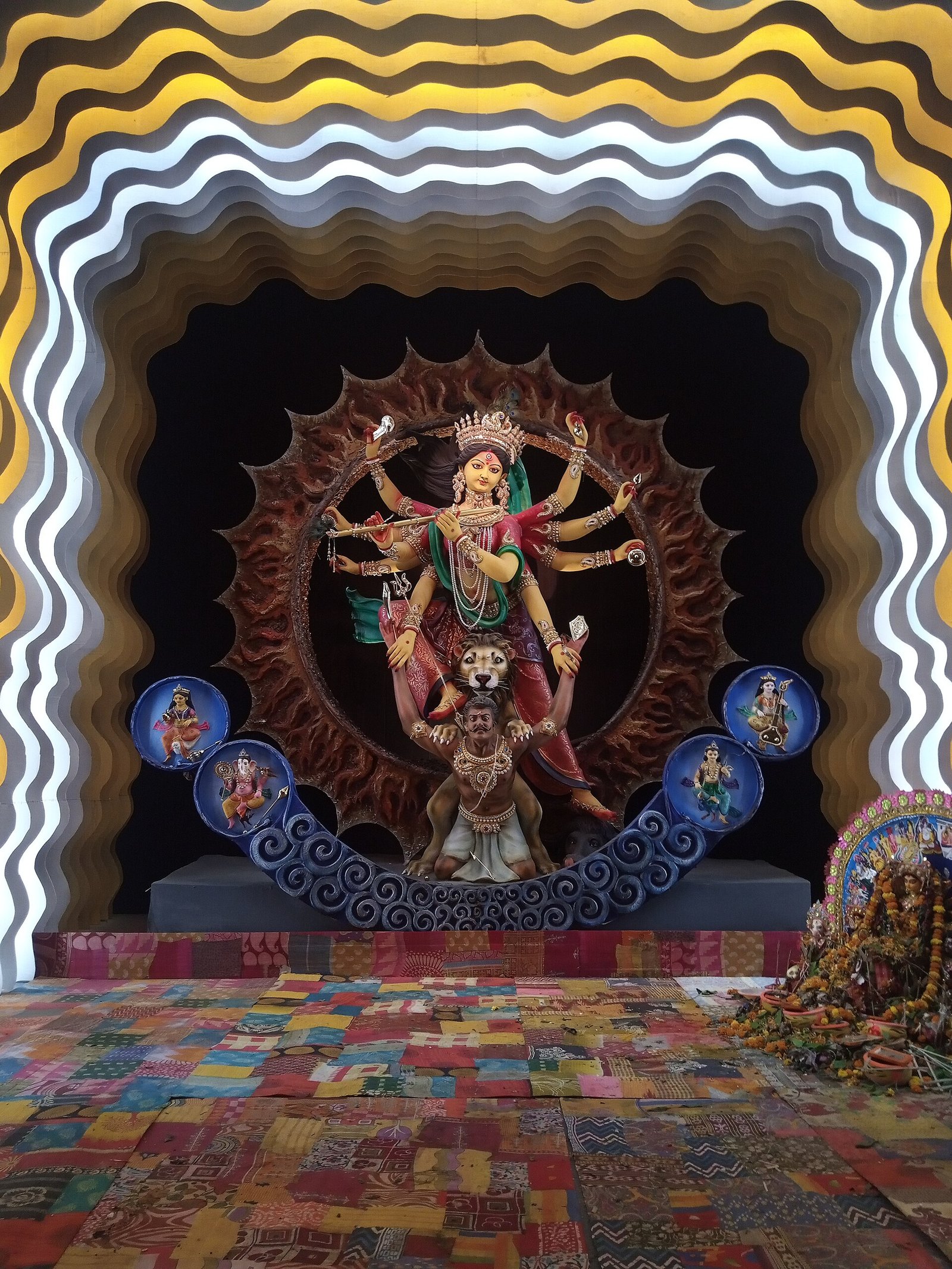
UNESCO-listed intangible heritage, the whole city turns into an open-air gallery of pandals for five October nights.
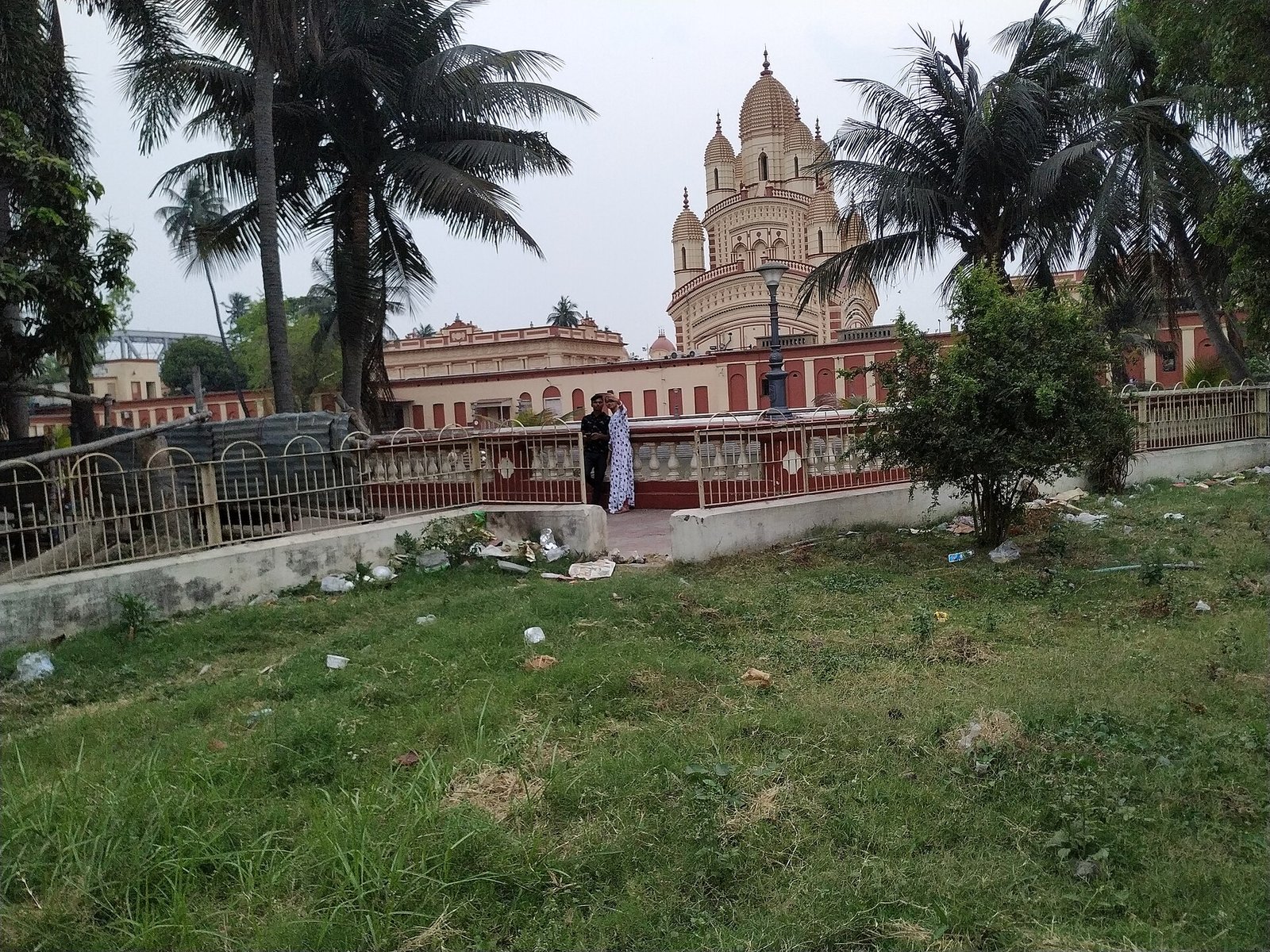
Rani Rashmoni's twelve-shrine navaratna temple on the Hooghly, where Ramakrishna kept his vows.
Extend the Journey
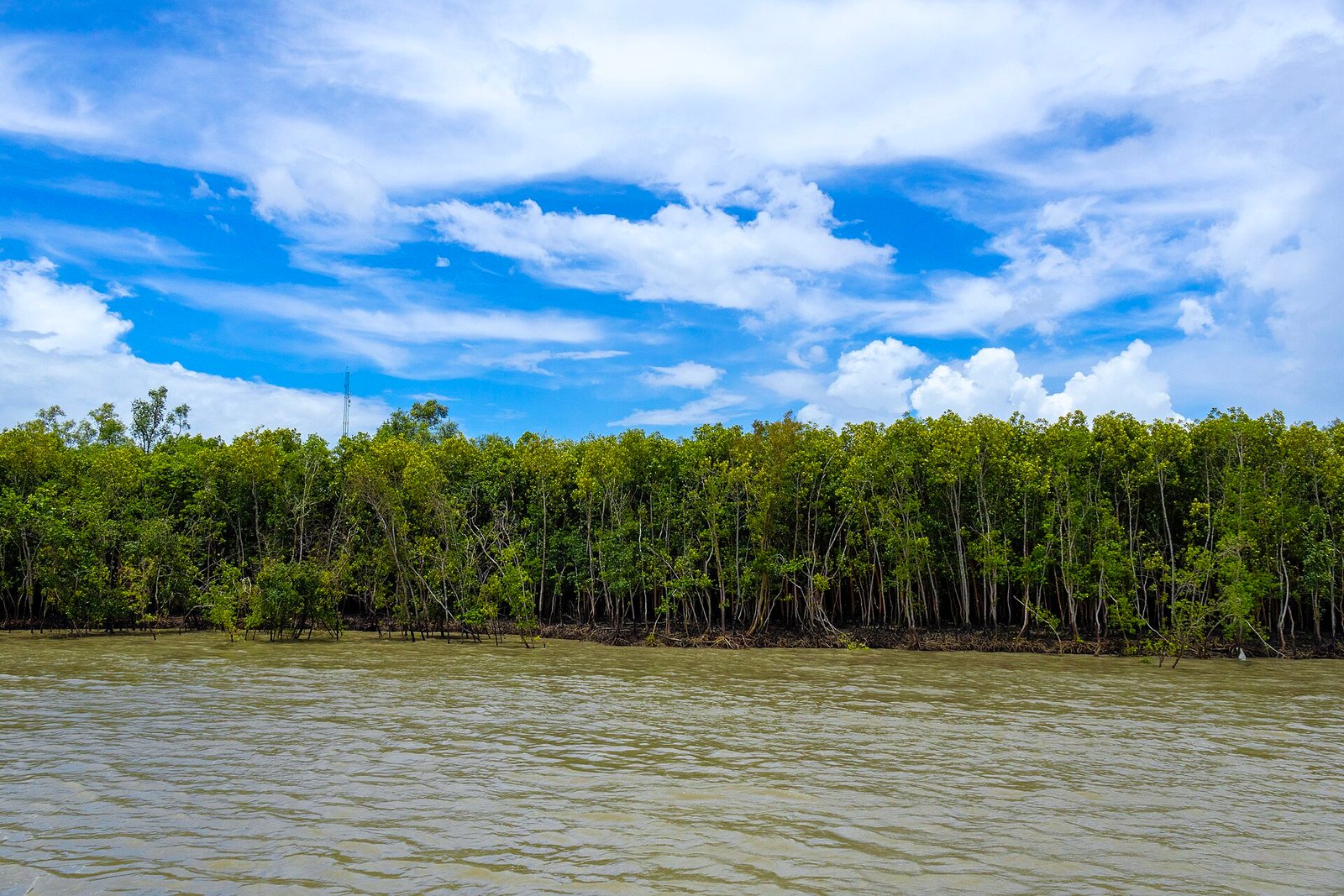
The largest mangrove forest on earth and the last stronghold of the swimming tiger — slow boats through tidal creeks, a night on the water and Bonbibi's shrines in the villages.
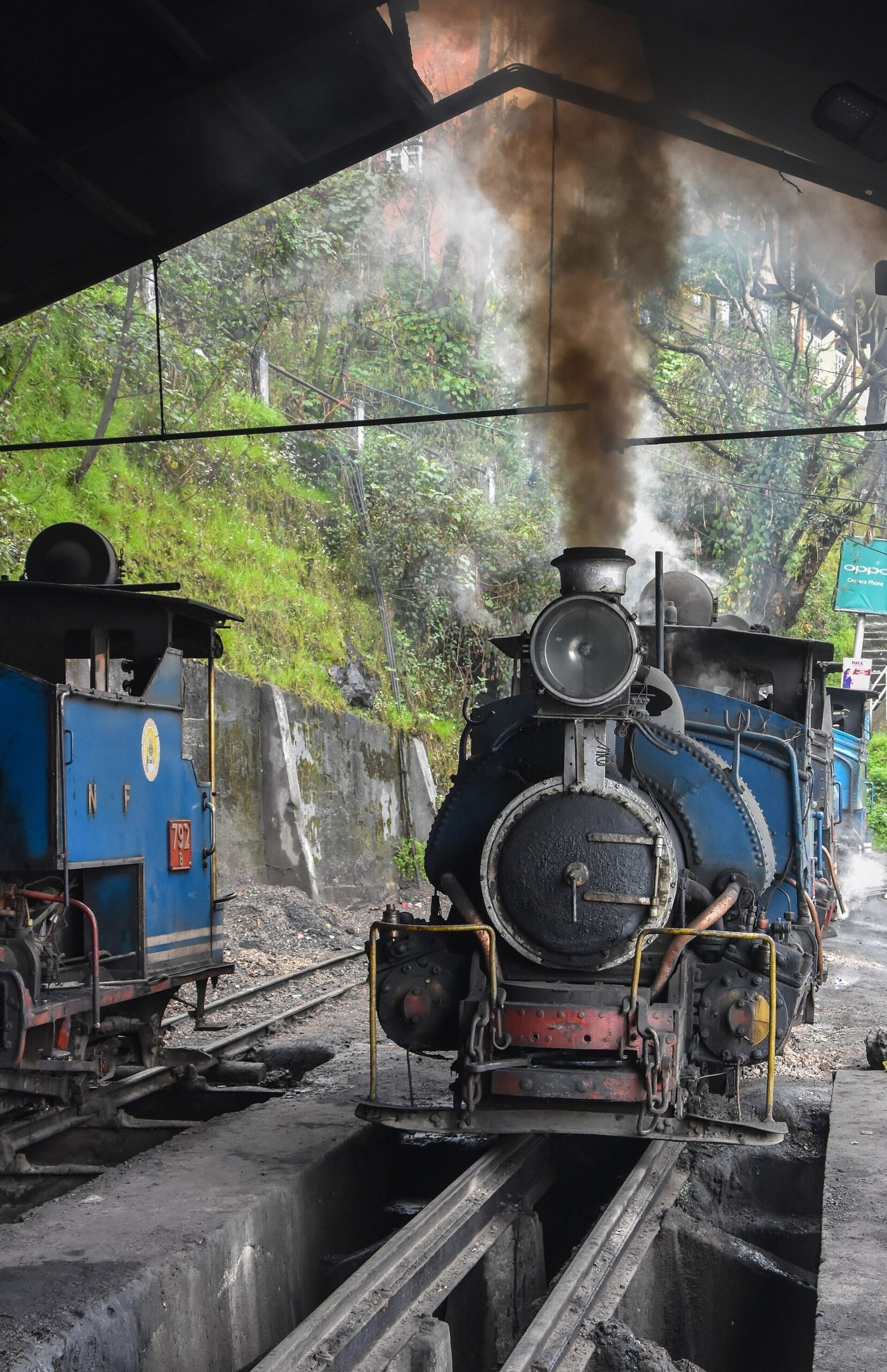
The UNESCO-listed toy train, sunrise on Kanchenjunga from Tiger Hill, a first-flush tasting at a working estate and monastery mornings at Ghoom.